


What is Social and Emotional Development?
Social and emotional development refers to a child’s ability to create and sustain positive relationships with others. Social and emotional skills also help children understand and manage their emotions and make thoughtful decisions.
From the very beginning, children start learning how to understand and express their feelings, get along with others, and discover and value themselves. When adults give kids the support they need to build these skills early on, it helps them feel safe, connected, and ready to learn. Foundational social and emotional skills help kids build strong relationships, understand and express their feelings in positive ways, and grow into confident, caring people.

Why it Matters
When young children learn how to understand their feelings, connect with others, and feel good about who they are, it shapes how they grow, learn, and thrive. These early social and emotional skills help kids build trust, solve problems, and bounce back from challenges.
Research shows that kids with strong social-emotional skills do better in school, have better mental health, and are more prepared for life’s ups and downs. One large study found that programs focused on social and emotional development improved academic performance and overall well-being.
Another global review found these programs also reduce anxiety and help kids form stronger relationships with peers and teachers.
Supporting children’s social and emotional development early on lays the groundwork for lifelong confidence, learning, and well-being.

Watch Your Child’s Skills Grow!
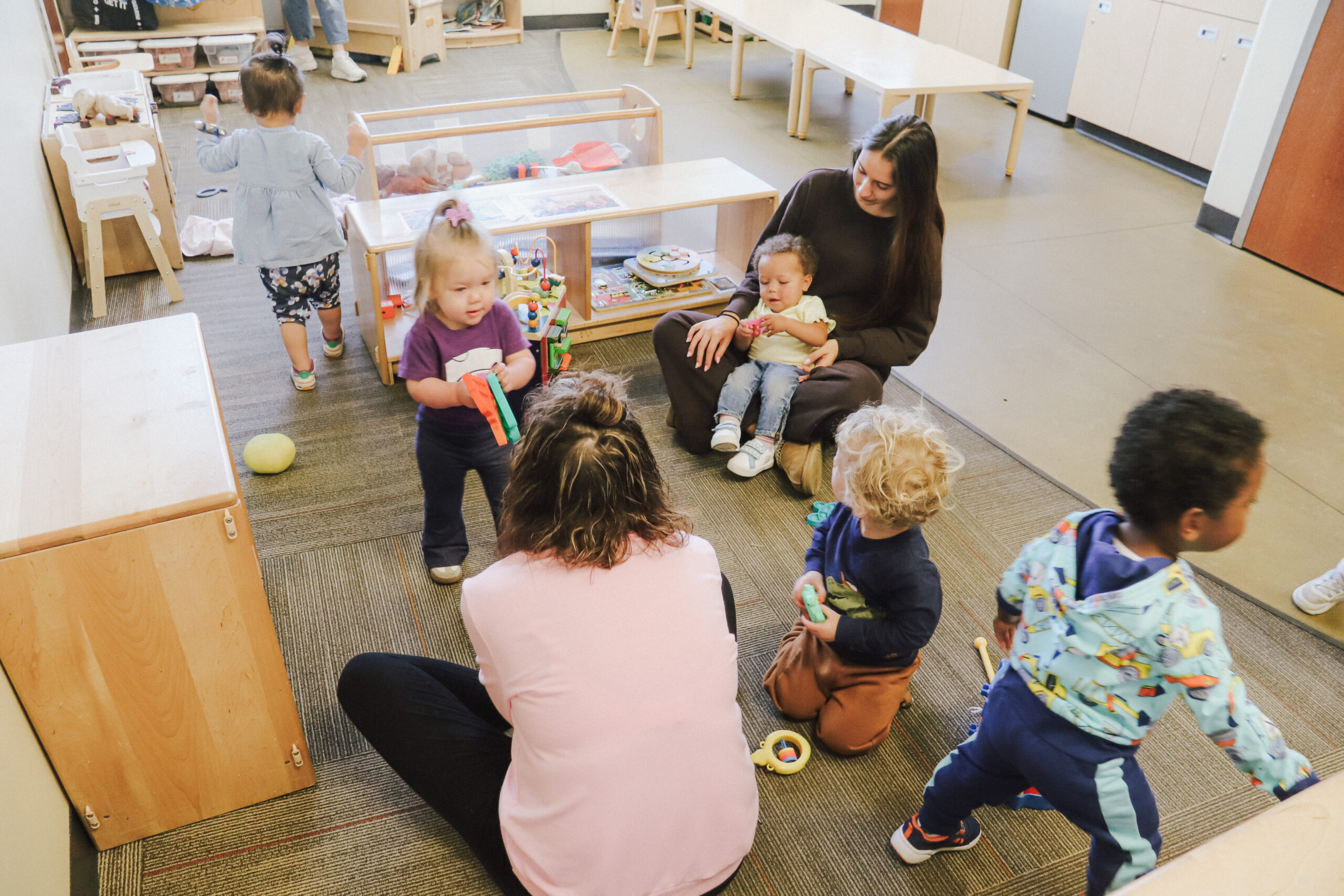
Building Confidence and Community
- Children develop a strong sense of self, taking pride in their abilities and accomplishments.
- They feel secure and valued within their community.
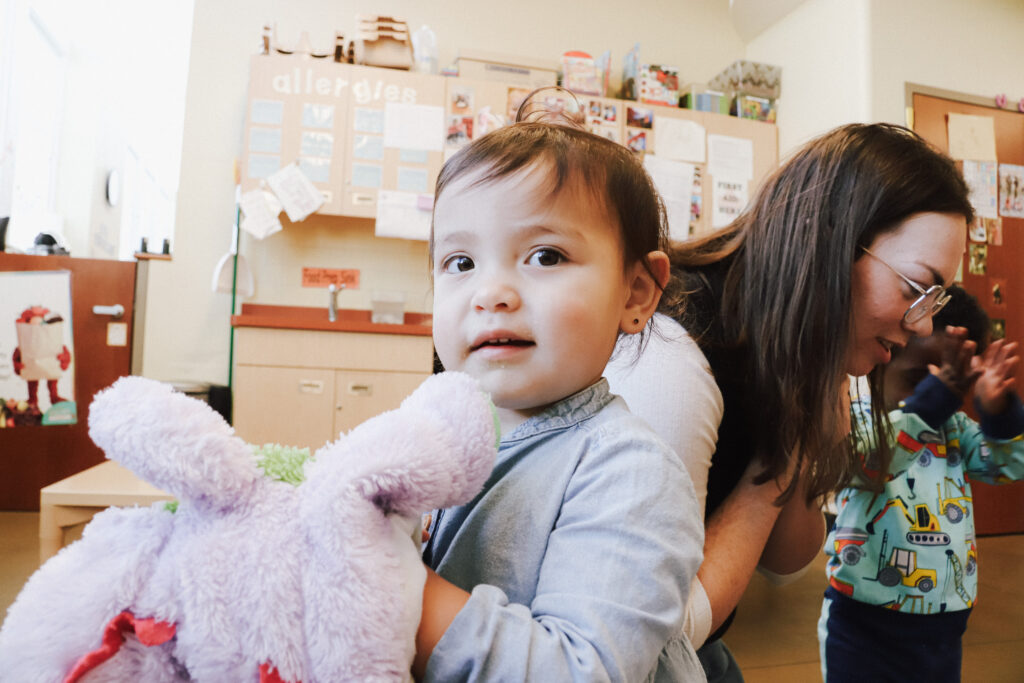
Identifying and Regulating Emotions
- Children learn to identify and name different emotions such as happiness, sadness or frustration, in themselves and others.
- They express their emotions in healthy ways and practice strategies to manage and regulate them.
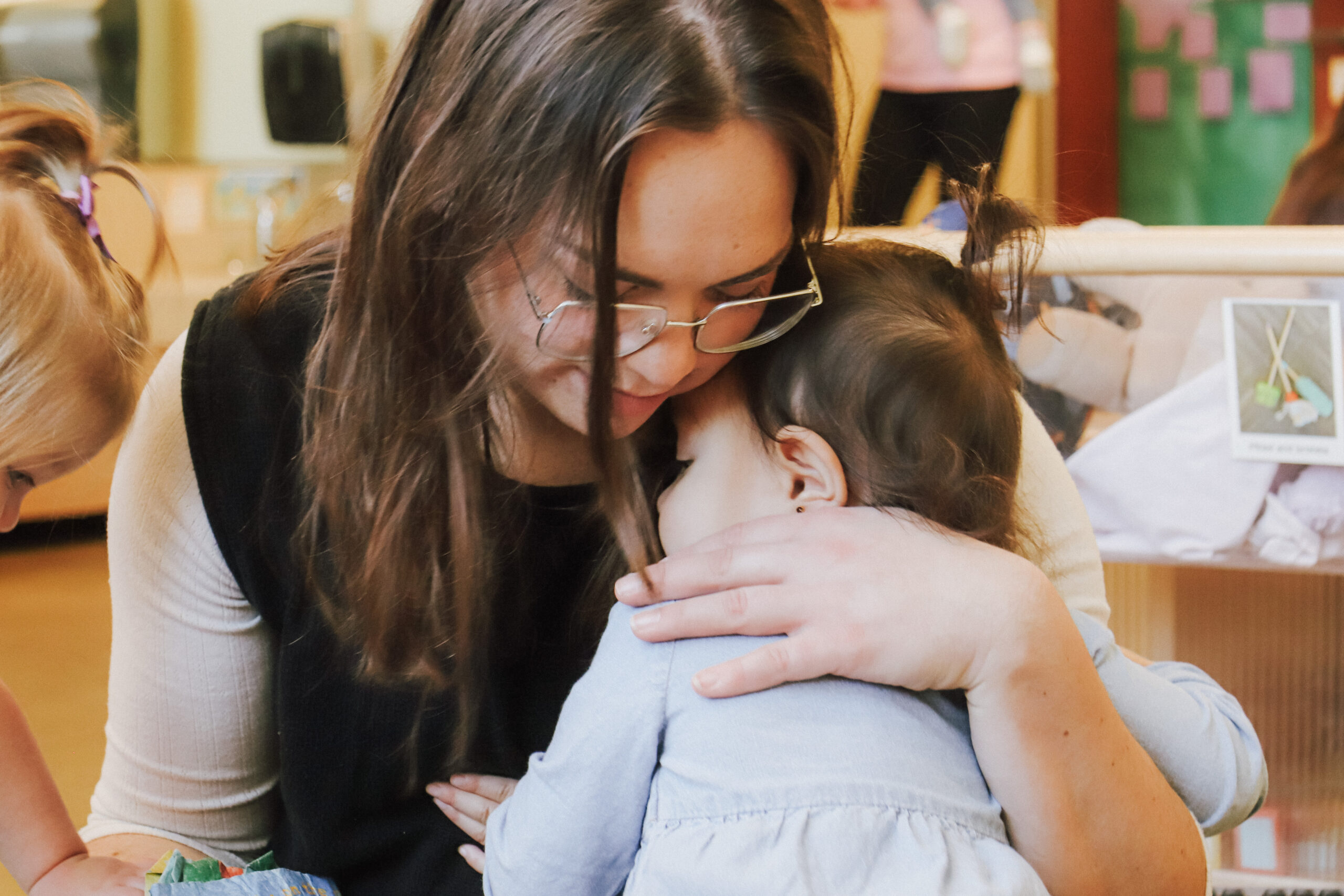
Connecting with Caring Adults
- Children develop respectful relationships with adults, including those from diverse backgrounds, cultures and languages.
- Through these relationships, they build trust, practice effective communication skills and can identify caring adults in their lives.
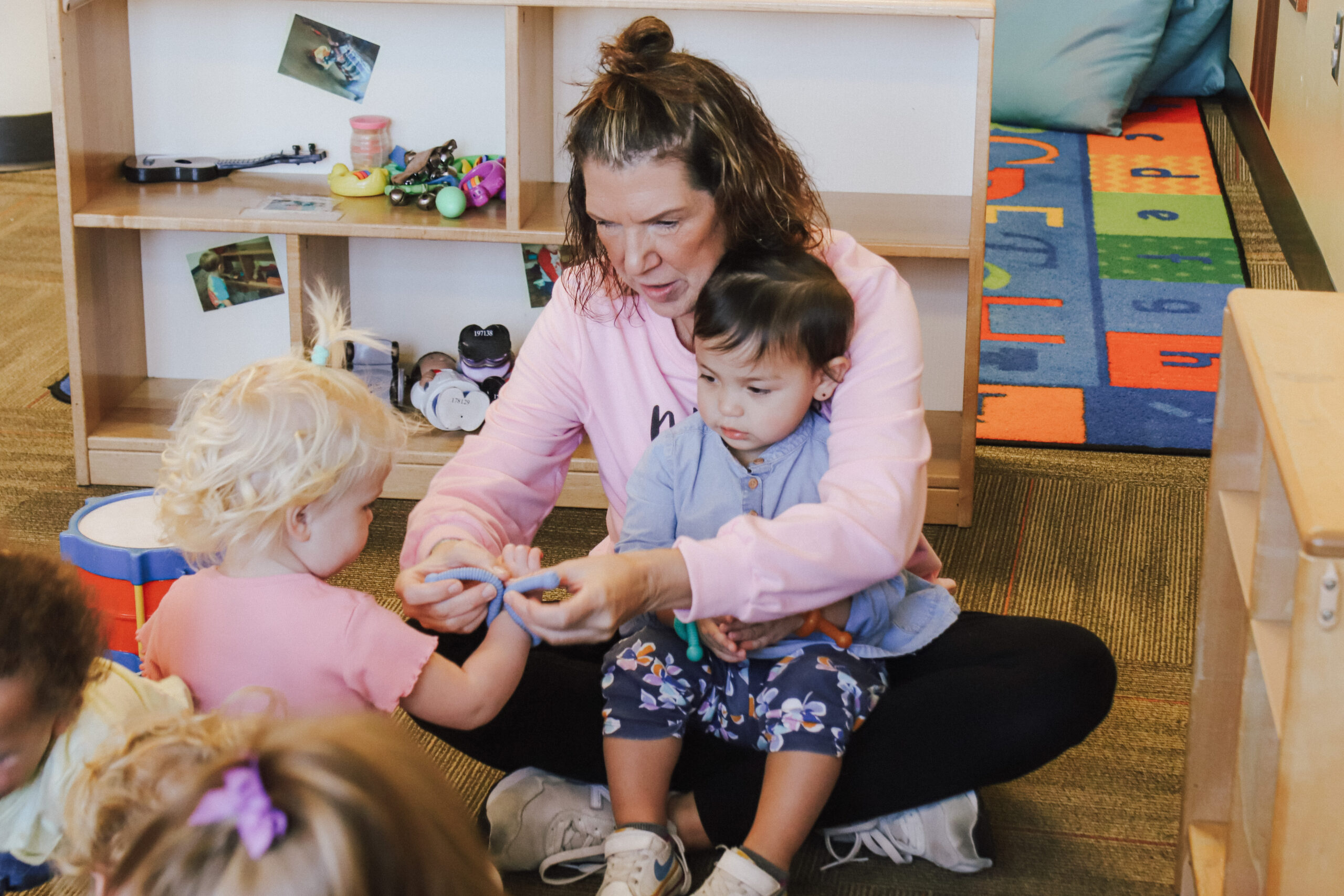
Learning Kindness and Cooperation
- Children interact with peers in ways that show respect, empathy and understanding, including those from different backgrounds, cultures or languages.
- Through play and group activities, they practice kindness, learn to share, cooperate and support each other effectively.